
If you're worried your credit score might stop you getting a car loan, you're not alone. It's one of the most common questions we hear, and the honest answer is that there's no single minimum credit score to finance a car that applies across the board.
Lenders look at your whole situation, and different lenders have different appetites. This guide explains how it works, what else lenders consider, and what you can do to improve your chances.
There isn't one official minimum score. Each lender uses its own criteria, and many assess you on more than your score. A stronger score generally means more lenders and better rates, while a lower score doesn't automatically mean a decline. It may mean fewer options and a higher rate.
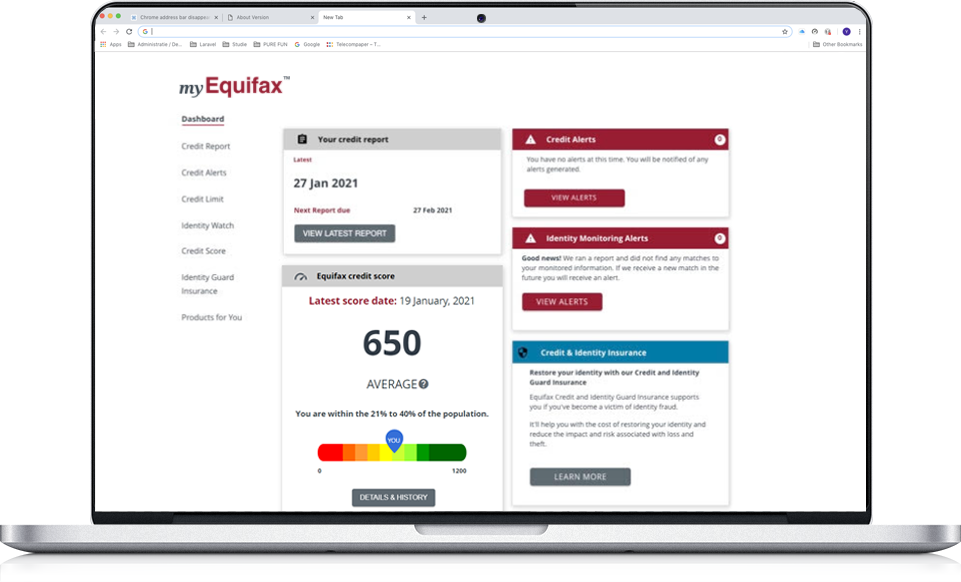
A credit score is a number calculated by a credit reporting bureau from the information on your credit file, such as your repayment history, any defaults and how often you've applied for credit. Each bureau uses its own scale and method, so scores from different bureaus aren't directly comparable. Compare your score against the scale used by the bureau that issued it.
Lenders may also run their own internal scoring on top of your credit file, which is why two lenders can reach different decisions on the same application.
It helps to think of lenders in three broad groups.
Mainstream (prime) lenders typically suit people with a strong credit history and steady income. Expect lower rates, but stricter criteria.
Near-prime lenders typically suit people with a few blemishes or a short credit history. Expect moderate rates and more flexibility.
Specialist lenders typically suit people with past defaults, a bankruptcy or a thin credit file. Expect higher rates and a stronger focus on your current situation.
This is where working with a broker matters. We can match your profile to lenders who are likely to say yes, rather than you applying to several and adding enquiries to your file. For an example, read how strategic car finance turned a challenging credit file into a $30K approval. If you've been bankrupt, see Car Finance After Bankruptcy.
The cost of a weaker credit profile usually shows up in the interest rate. Here's an illustrative comparison on a $30,000 loan over five years, using example rates only.
A lower-risk borrower at an example rate of 7% would repay about $594 a month and about $35,640 in total. A higher-risk borrower at an example rate of 14% would repay about $698 a month and about $41,880 in total.
That's a difference of roughly $6,200 over the life of the loan. Your actual rate depends on the lender, your profile and the vehicle. For more on how to compare offers, see Interest Rate vs. Comparison Rate.
If you're employed and your credit file is in reasonable shape, some lenders will assess your application using recent payslips rather than a full set of financial documents. That can speed things up, and it can help if you've recently changed jobs or don't have tax returns to hand. Lenders still assess your credit history and your ability to repay, and rates and eligibility vary. Learn more about vehicle finance with Motorlend.
We go through these steps in more detail in How to Improve Your Credit Score Before Applying for Finance. To avoid delays once you do apply, read 7 Mistakes That Can Slow Down Your Finance Approval.
A decline from one lender doesn't mean every lender will say no. Ask why you were declined, check your credit file for anything unexpected, and talk to a broker before applying elsewhere. Another application straight away can make things harder, and a different lender with different criteria might be a better match.
What credit score do I need for a car loan? There's no universal figure. Lenders set their own criteria and also consider income, expenses, deposit and the car.
Can I get a car loan with bad credit? Often, yes, through lenders who specialise in it, but rates are usually higher and the criteria stricter.
Does checking my own credit score hurt it? Checking your own report doesn't count as an application for credit. Applying for finance does leave an enquiry on your file.
How long do defaults stay on my credit file? Generally around five years, though it depends on the type of listing.
Will a bigger deposit help? Usually. It reduces the lender's risk and can improve your options.
Before you apply anywhere, it's worth talking to someone who knows which lenders suit which profiles. Apply online and we'll look at your options across our lender panel.
This article is general information only and does not take your personal circumstances into account. Approval is subject to lender criteria. Rates shown are examples only.


